Retiring and want to relocate?

Consider these 3 pros and cons.

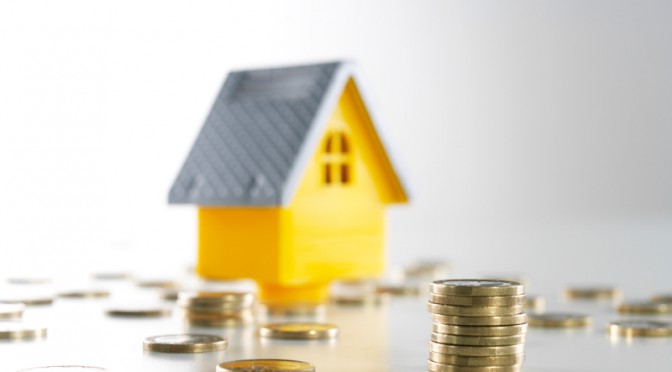
While nearly half of Canadian homeowners don’t plan to sell their homes when they retire, many are still unsure what they’ll do. Moving to a new city or downsizing to a more compact home can offer advantages but, depending on your goals, a few disadvantages as well. If you’re thinking about a post-retirement move, consider these pros and cons before you start packing:

When you relocate to a new city or property…

  • PRO: Save money on daily expenses: If you relocate to a less expensive area, you’ll be able to stretch your retirement savings further. Consider the benefits of a suburb vs. city, and look to exotic areas that provide a lower cost of living. Need a little inspiration? Mexico, Panama, and Costa Rica are popular post-retirement spots for Canadians. Or, look to Buenos Aires, Argentina, where you can rent a one-bedroom apartment (in a good area!) for as little as $400 a month.
  • CON: Spend money on moving costs: Even if you’re exchanging your current digs for a less expensive property, moving isn’t cheap — real estate agent expenses, land transfer tax and moving costs can dissolve a big chunk of money. In Toronto, for example, land transfer costs, legal fees and moving expenses alone could be $15,000 or more. Plus, you’ll have to consider the cost of traveling to visit family, but if you pick a tropical locale, Canadian relatives may be more likely to come to you.

[……]

Read more

AD

Wood is the only fully renewable material and it has the ability to fix carbon dioxide, an important asset in the planetary fight against global warming.

Wood is a living being and therefore has a great ability to adapt to outdoor conditions: light, heat, humidity.

Despite its light weight, wood is resistant. It ages well, like good wine, and has no problem passing through the centuries, making it one of the most sustainable materials.

Do you want to join the ecological turnaround? You can’t go wrong with wood. But you need a minimum of knowledge so you don’t get mislead.

The ideal ecological product meets four requirements: the material comes from the region you live in, it is manufactured nearby, it is healthy and durable and can be recycled. Wood meets these requirements hands down.

[caption id="attachment_13324" align="aligncenter" width="580"]iStock iStock[/caption]

But the ideal ecological world doesn’t exist yet. For now, we have to try to be as ecological as possible. On top of that is added a fairly major variable: the budget. Some products are financially accessible, others not so much. The same goes for wood.

Wood has multiple uses: siding, frame, skeleton, parquet, panelling, furniture. But you have to be careful when decoration comes into play. Mahogany, teak and ebony are formidable and highly esthetic woods, but they have a lower ecological virtue than maple or oak because they come from outside the country. Pine on the other hand is highly recommended.[……]

Read more

Natural wood is ecological, but it has to be treated if you want to keep it looking good for a long time, especially if the woodwork has to face the rigours of the weather. Indoors, bare parquet could be dangerous for obvious reasons.

You always have the option of buying prefinished parquet, which will save you the finishing work: manual labour, odour of the product used, long wait before walking on the floor.

If you decide to treat your wood on your own, it’s preferable to avoid synthetic products in favour of natural products, such as varnish without solvent. Don’t play with your health. A toxic product can release noxious vapours for several months, even if your nose can’t detect them.

There are four major type of wood finish: varnish, lacquer, oil and wax.

[caption id="attachment_13325" align="aligncenter" width="580"]iStock iStock[/caption]

Varnish stays on the surface of the wood. It has a strictly protective role. Perfect for furniture, applicable for parquet. However, you have to be patient when the time comes to refinish, because you have to sand the entire surface.[……]

Read more

It helps to protect the ozone layer. It’s completely renewable. Durable? Not a question worth asking. Some of the oldest constructions in the world owe their longevity to this product. And what about its decorative qualities! Wood impresses us century after century.

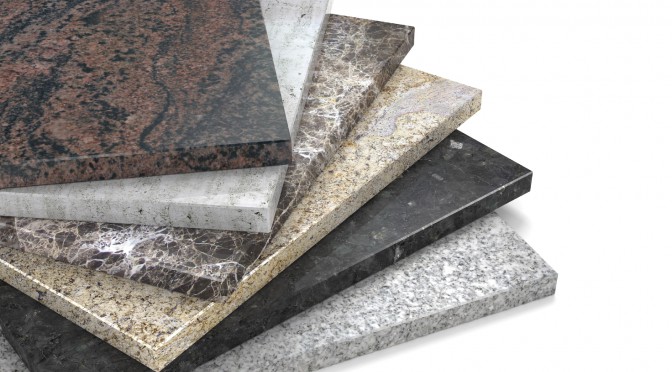
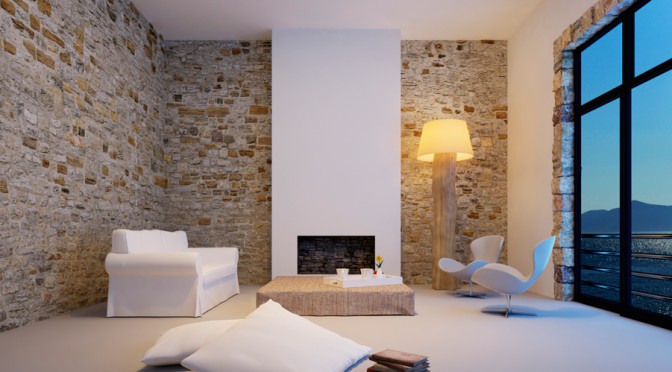
It is often said that nature provides us with the best decorative material: wood, stone, bamboo, slate. Maybe because they are rough, authentic, without pretence. In an era of green housing and natural decoration, they are more popular than ever.

[caption id="attachment_13321" align="aligncenter" width="580"]iStock iStock[/caption]

Before the green wave, wood was seen as a traditional material that succeeded in lasting over time. Why? Because there’s nothing like it to warm up an atmosphere. The presence of wood evokes our grandmother’s kitchens, tea time or daydreaming in front of candles. Not surprising that fans of peace homes appreciate wood.

Wood has a thick skin. It has resisted all decoration revolutions. Even contemporary decors have ended up adopting it. You just have to turn the pages of the bibles of this decorative style to see for yourself: wood is omnipresent.[……]

Read more

It’s usually best to find a balance between paying your mortgage and contributing to your RRSP. Here’s why.

In a perfect world, paying off your mortgage before contributing to your RRSP would be a good thing to do. But that would call for extreme discipline.

After your last mortgage payment, you would have to keep putting the same monthly amount aside for your retirement. That’s not very realistic.

[caption id="attachment_13184" align="aligncenter" width="580"]Shutterstock (Desjardins) Shutterstock (Desjardins)[/caption]

Another possibility is to make substantial contributions to your RRSP before buying a home. However, a home is more than a financial investment; it’s a life choice that you don’t want to put off for too long. The RRSP that you started early could help make you a homeowner more quickly through the Home Buyers’ Plan.

That’s why it’s usually best to find a balance between paying your mortgage and contributing to your RRSP, even when RRSP returns are lower than mortgage interest rates.[……]

Read more

Painting a surface purple – or any other colour – is a trivial exercise in itself, but there are techniques to give the finish a refined, rich and often spectacular effect. There are too many techniques to list them all. We’ll limit ourselves to the most current ones, which we sometimes tend to forget.

[caption id="attachment_13143" align="alignleft" width="300"]iStock iStock[/caption]

Natural sponge painting consists of giving the painted surface a less smooth, less polished aspect, making it more natural. You can either paint directly with a sponge or use a brush or roller first and then go back and use the sponge. If the sponge is synthetic, the result will be slightly different. Using a glaze or adding a little water to latex paint makes it more translucent and enhances the power of the effect. An example of a combination of colours: a dark blue applied over a clear blue will give the impression of a stormy sky.[……]

Read more

A red purple, a blue purple, a slightly purple sunset, the purple of the mountains on the horizon, the purple sheen caused by intense cold: all of these examples evoke something dark and cold. But is there any other colour in decoration that is richer and more sumptuous than purple?

A mixture of blue and red, purple is the ultimate luxury colour. A room with an omnipresent purple adds splendour to a room, making it brighter. Crimson is its only rival in terms of royalty.

Have you ever seen a padded purple wall or furniture? It’s luxurious, imposing, almost royal. In a bedroom with a four-poster bed and chandeliers, any purple fabric is even better.

Combined with black, purple provides an unsuspected wealth, as long as a river of natural light can enter the room. If not, multiple recessed floodlights provide minimum lighting to avoid a dark and heavy atmosphere.[……]

Read more