Review this checklist so the home you buy doesn’t break the bank.

Consider these 8 home-related expenses:

  1. Home inspection fee: Before closing, it’s customary for the buyer to hire a home inspector to confirm the home meets building standards and is “up to code” for that city. The inspection cost is based on the size and complexity of the home’s systems, but on average the fee should be between $375 and $500, according to our BMO Home Buyer’s Guide. You are responsible for paying this to the inspector. It’s a good idea to make your offer conditional, based on a successful home inspection. Sure, the house might look beautiful, but your inspector may detect structural or other problems that you can then negotiate with the seller to either fix or deduct the repair cost from the agreed-upon price.
  1. Appraisal fee: Your mortgage lender will require an appraisal (for example, the current market value of the home) before they’ll finalize your loan. Appraisals generally cost between $250 and $500, according to the Canadian Mortgage and Housing Corporation (CMHC), and you may have the option to roll it into your closing costs.
[caption id="attachment_14700" align="aligncenter" width="600"]iStock iStock[/caption]
  1. Utility bills: Unlike renters — who may have utilities built into their monthly rent payment — homeowners are responsible for all bills, such as water, gas, electric, home phone, cable and Internet. And this can add up faster than you may think. For example, keeping a home warm in the winter and cool in the summer can be pricey, depending on where you live. In fact, heating accounts for a significant part of the total expenses of Canadian households, according to Statistics Canada. Its Survey of Household Spending found Canadians spend an average of $1,895 on electricity, natural gas and other heating and cooking fuel a year. Need help planning? Use Natural Resources Canada’s home energy calculator to estimate how alternative energy sources and energy system replacements could potentially affect your energy bills.

[……]

Read more

AD

If we compare the expense of an inspection to the cost of buying a home, it really isn’t that expensive after all! But too often, we still skip this step. 

“You would never purchase a used car without hiring a knowledgeable mechanic to inspect it first. So why wouldn’t you do the same thing before making one of the most important investments of our life?” asks Jean-Claude Fillion, an architect who specializes in pre-purchase inspections.

“It’s important to know where you stand before buying a home,” he continues.

Before you sign on the dotted line, here are five good reasons to get a home inspection before you buy a house.[……]

Read more

Take it or toss it? Six ways to decide what goes or stays before you move

Packing is a great opportunity to purge.

[caption id="attachment_14560" align="aligncenter" width="600"]iStock iStock[/caption]

Squeezing all your belongings into boxes may not be a fun way to spend your free time before you move. But, packing can provide the perfect chance to weed out any extra belongings, and start fresh.

Before you wrap up a single cereal bowl or framed photo, try the following tips to avoid moving a ton of unnecessary items into your new home.[……]

Read more

“The faster you pay off a mortgage, the more you save in interest,” says Louis-François Éthier, product manager at National Bank.

The truth is, paying off a $100,000 mortgage in a short period of time is extremely difficult without both a sizable and stable income, and relatively few expenses. A small regular payment stretched out over a longer amortization period (the total time required to pay off the mortgage) is usually considered an expensive strategy. This is because mortgage payments mostly cover interest and little of the principal until the interest is paid, so it can take decades to pay off the balance.

“The amount of your mortgage payments should be based on your overall budget,” says Louis-François Éthier.

[caption id="attachment_14281" align="aligncenter" width="600"]iStock iStock[/caption]

How much of your budget should go toward mortgage payments?
Most financial institutions recommend that no more than 30% of your total budget go towards mortgage payments, municipal taxes, and heating. “It’s the classic ratio in the industry: mortgage to total debt,” says Mr. Éthier. “It’s crucial to also consider other debts, such as car loans and balances on credit cards. Mortgage counsellors can help you make the right choice.”

Of course, the expected time if would take to pay off the mortgage directly influences the amount that we spend on our regular payments.[……]

Read more

Is buying a vacation property right for me?

6 questions to ask before making a move.

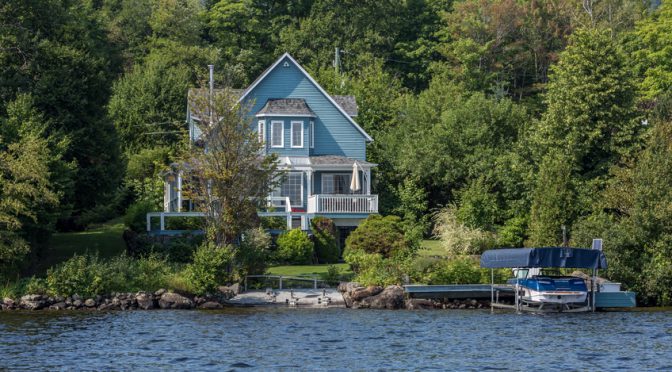
As the weather warms up, a cottage by the lake may sound appealing ― but is owning a second home right for you? If you’re looking to purchase a place, prices will vary greatly depending on where you’re searching.

There are several important factors to consider before purchasing a vacation home, so don’t let the allure of a lake breeze or the excitement of water sports keep you from thinking it through. First, ask yourself these six questions:[……]

Read more

When you see how home insurance has gone up in recent years, it can be tempting to downgrade your coverage or shop around for a better deal. There may be good reasons for premiums going up, but who doesn’t want to spend less on insurance? The good news is you can! Here are a few reasons why home insurance rates are on the rise, and 13 tips to help you pay less.

Why home insurance premiums are going up

There are several reasons why your premiums go up when you renew your home insurance.

  • Your insurance amount generally increases by a certain percentage at each renewal to cover inflation (the cost of materials and labour) as well as new purchases you’re likely to have made.
  • Payouts on home insurance claims are increasing at an alarming rate (up 20% between 2009 and 2013, and 300% since 1990).
  • Payouts for natural disasters have increased six-fold since the 1990s.

So the two main reasons are that there are more claims, and those claims are more and more costly.

“But I haven’t made a claim!” That’s true, but remember that home insurance is like group insurance. You pay to protect other people’s property as well as your own. The premiums that you and other policyholders pay are pooled to pay for any losses incurred, which tend to cost a lot more than your monthly premium.

As a result, the more claims there are, the more you have to pay.

If you have made a claim yourself, there’s a good chance that your insurance will go up at your next renewal. Insurance is there to cover you in case of a loss, but making a low-value claim is not always in your best interest.[……]

Read more